


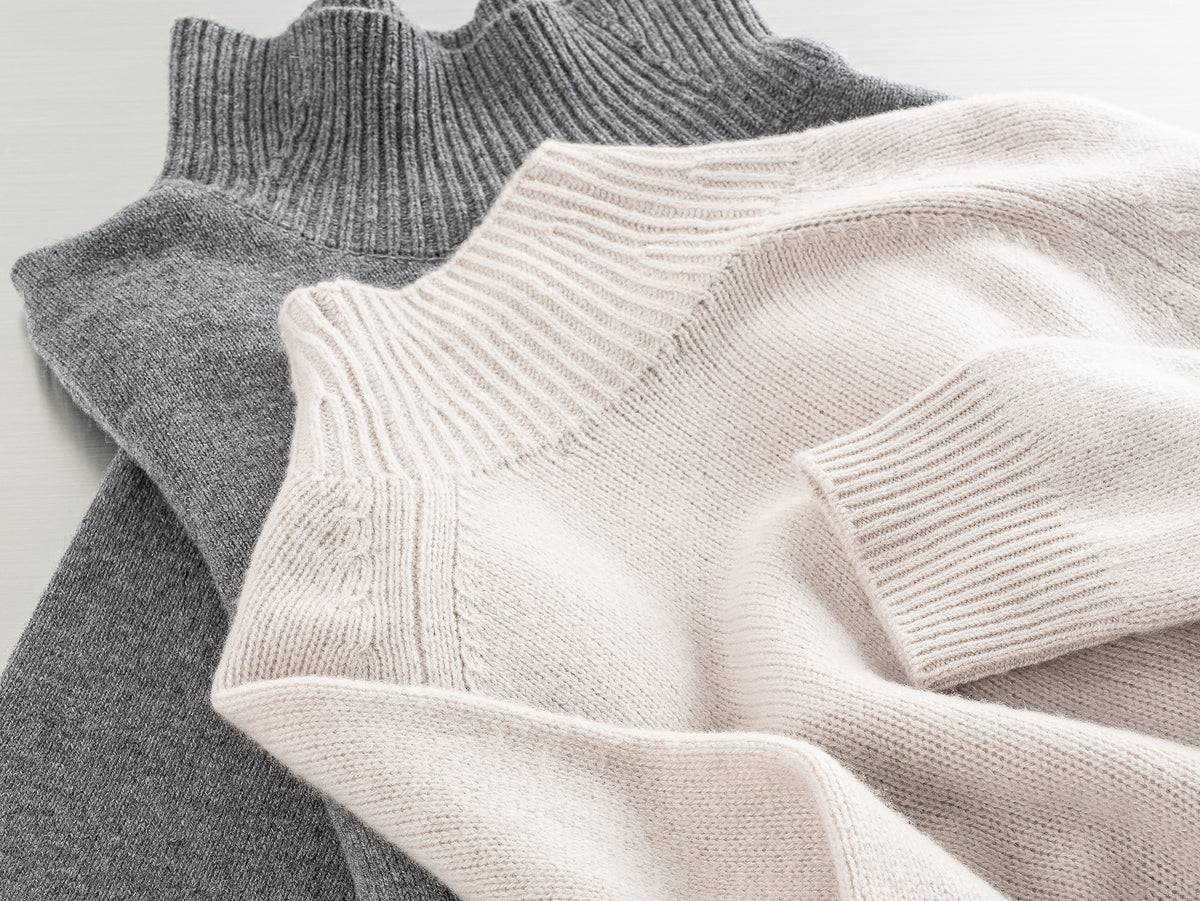
CASHMERE
Cashmere provides feather-light warmth and feels incomparably soft against the skin—a favorite fabric for cool days.
Proper Care for Cashmere
- Air out: Air out thoroughly after wearing—washing is often not necessary.
- Washing: If necessary, wash by hand or on the wool cycle in cold water using a mild wool or cashmere detergent.
- Drying: Gently squeeze out excess water; do not wring. Reshape and lay flat to dry on a towel.
- Pilling: Small bobbles are natural and can be gently removed with a cashmere comb.
Important: Always follow the care instructions on the garment’s label first.
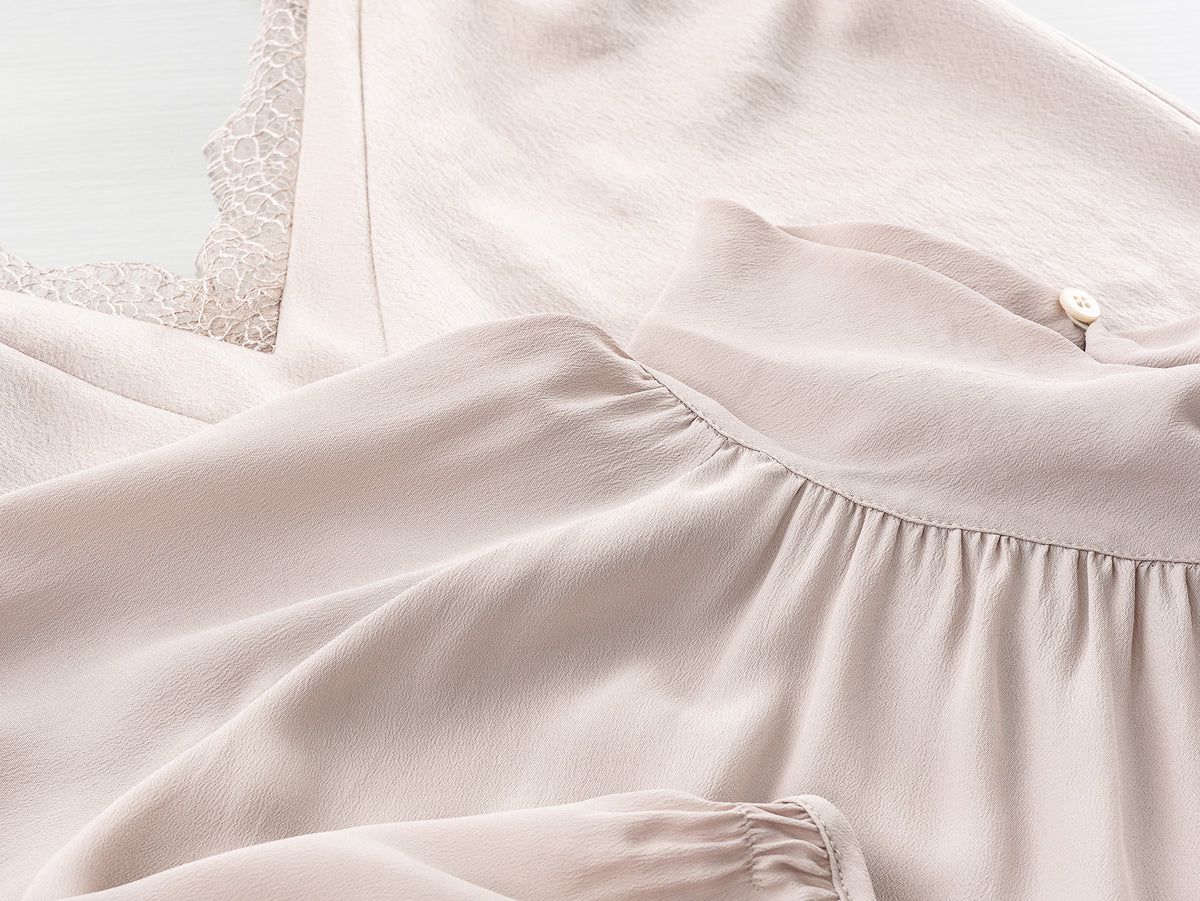
SILK
Silk is elegant, lightweight, and breathable, and feels smooth and cool against the skin.
Caring for Silk Properly
It’s often enough to simply air out silk thoroughly after wearing it. If washing is necessary, follow these tips:
- Washing: Hand wash or use a gentle cycle at a maximum of 30 °C with a special silk detergent.
- Drying: Do not rub or wring. Gently squeeze out the water and lay flat to dry in a shaded area.
- Ironing: Iron inside out at a low temperature.
- Stains: For stubborn stains or particularly delicate fabrics, professional dry cleaning is recommended.
Important: Always follow the care instructions on the garment’s label first.
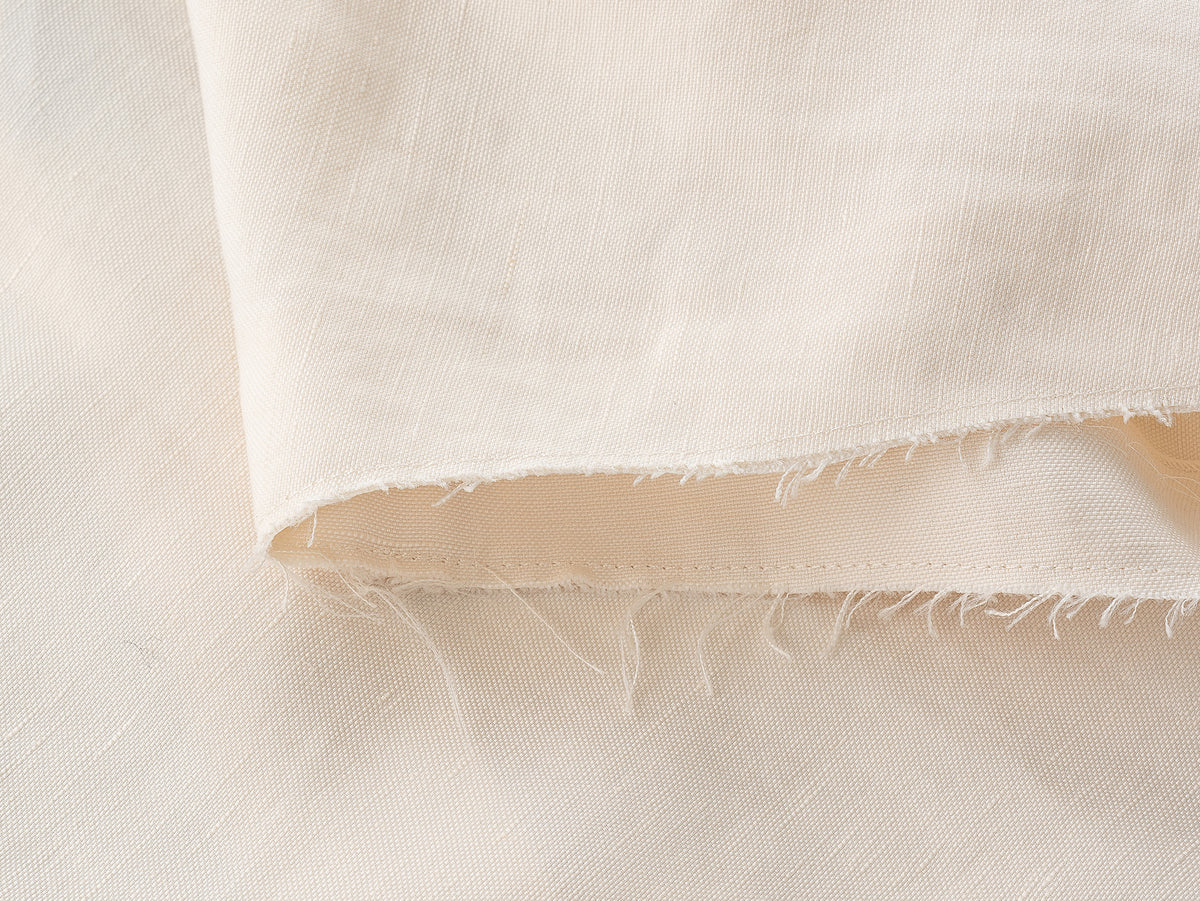
LINEN
Linen is perfect for hot days. This breathable natural fiber feels pleasantly cool and becomes softer with every wear.
Caring for Linen Properly
Depending on the care instructions, linen can be washed by hand or in the washing machine.
- Washing: Use a mild detergent for delicates and avoid vigorous rubbing.
- Drying: After washing, reshape the garment and let it air dry. Protect vibrant colors from direct sunlight.
- Ironing: It’s best to iron or steam linen while it’s still slightly damp, inside out, and at a medium temperature.
Important: Always follow the care instructions on the garment’s label first.
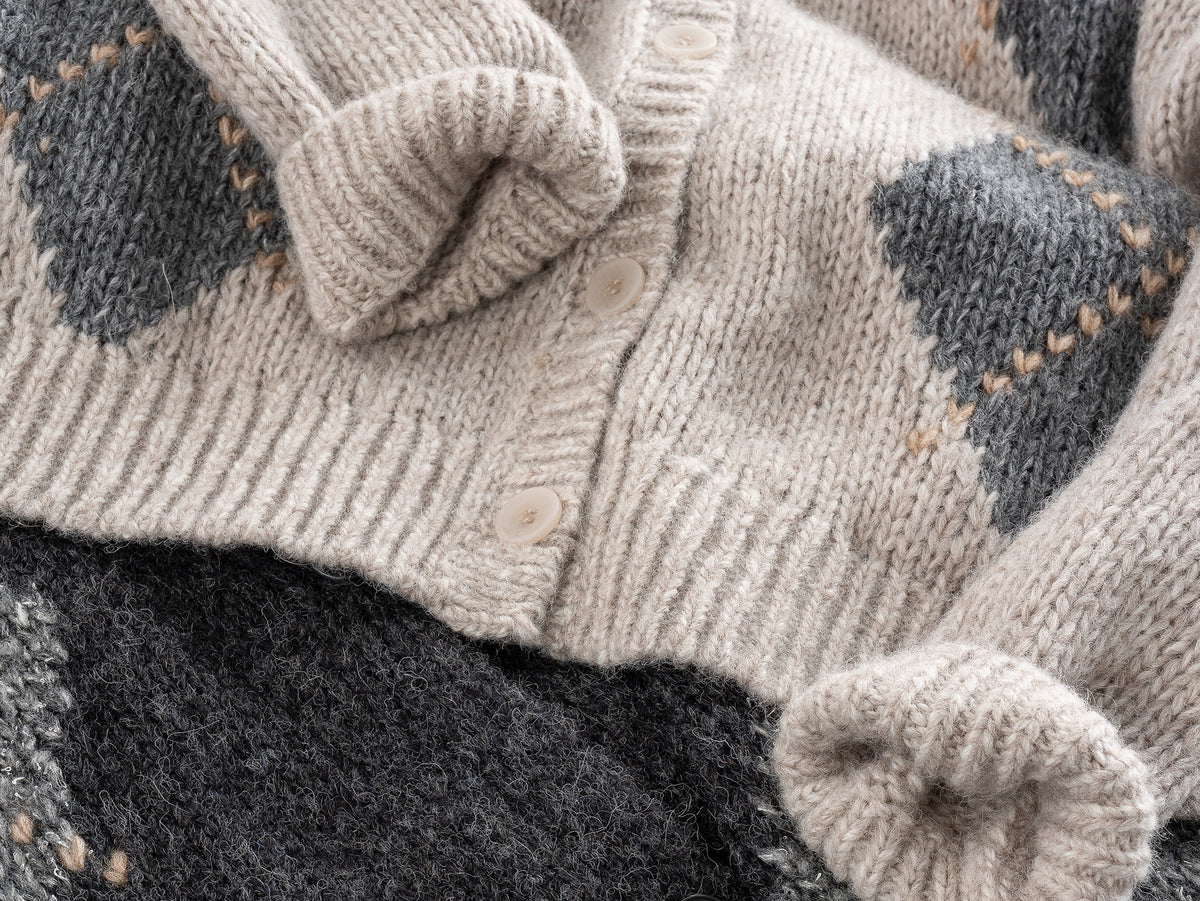
WOOL
wool absorbs odors slowly, regulates moisture, and hardly wrinkles. That’s why it’s often enough to air it out thoroughly and let it rest for a short while between wears.
Proper Care for Wool
- Refreshing: Air out thoroughly after wearing. Carefully remove small stains with a damp cloth and a little wool detergent.
- Washing: If necessary, wash by hand or on a gentle wool cycle in cold water with a mild wool detergent.
- Drying: Do not wring out. Roll in a towel, gently squeeze out the water, and lay flat to dry.
- Pilling: Small bobbles are natural and can be carefully removed with a wool comb or lint shaver.
Important: Always follow the care instructions on the garment’s label first.
COTTON
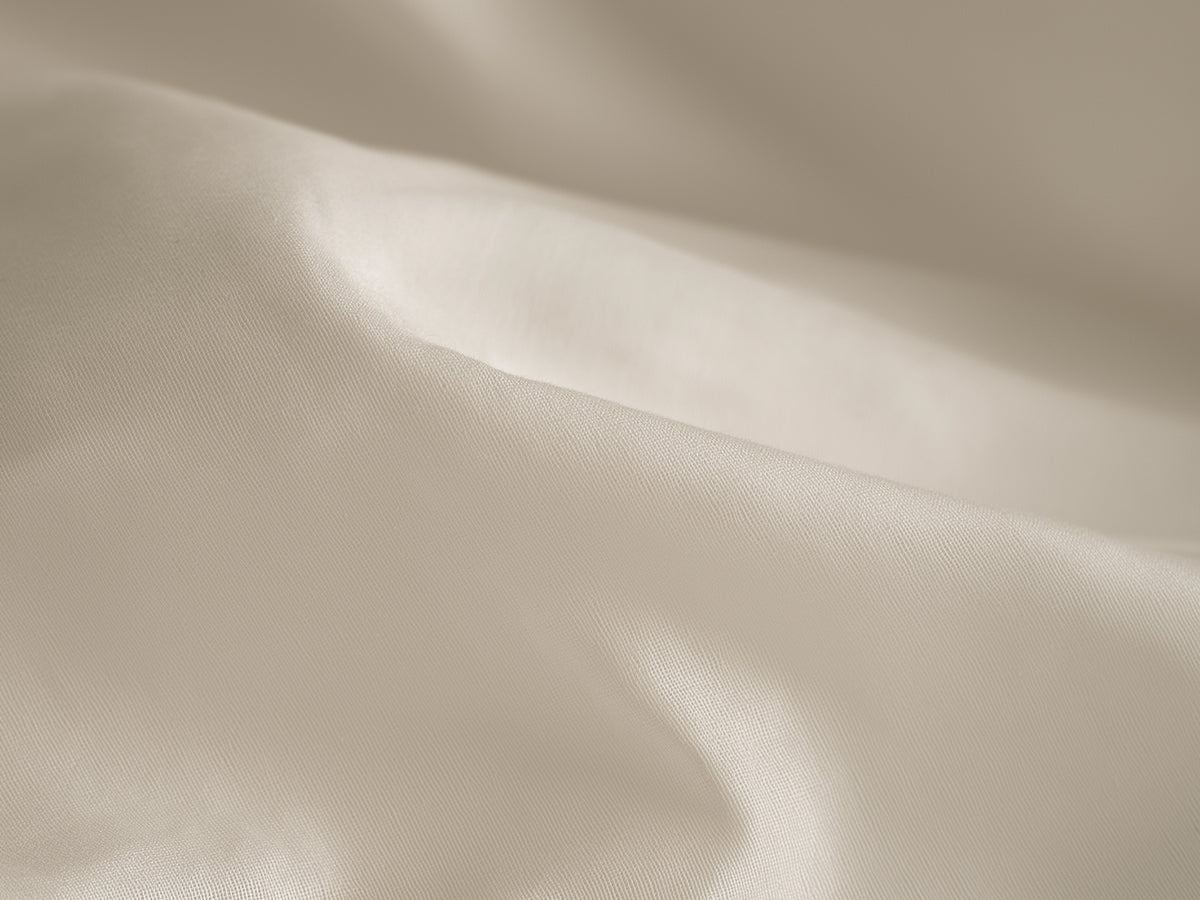
Cotton is soft, breathable, and comfortable to wear. Gentle care helps preserve its shape and color for a long time.
How to Care for Cotton
- Washing: Best at 30–40 °C, depending on the care label. Use color-safe or delicates detergent for colored cotton.
- Spin cycle: A moderate spin speed is gentle on the fabric.
- Drying: Air-dry whenever possible. If the label permits tumble drying, select a low temperature.
- Ironing: Slightly damp cotton irons particularly well. Iron prints and appliqués inside out.
Important: Always follow the care instructions on the garment’s label first.
DENIM
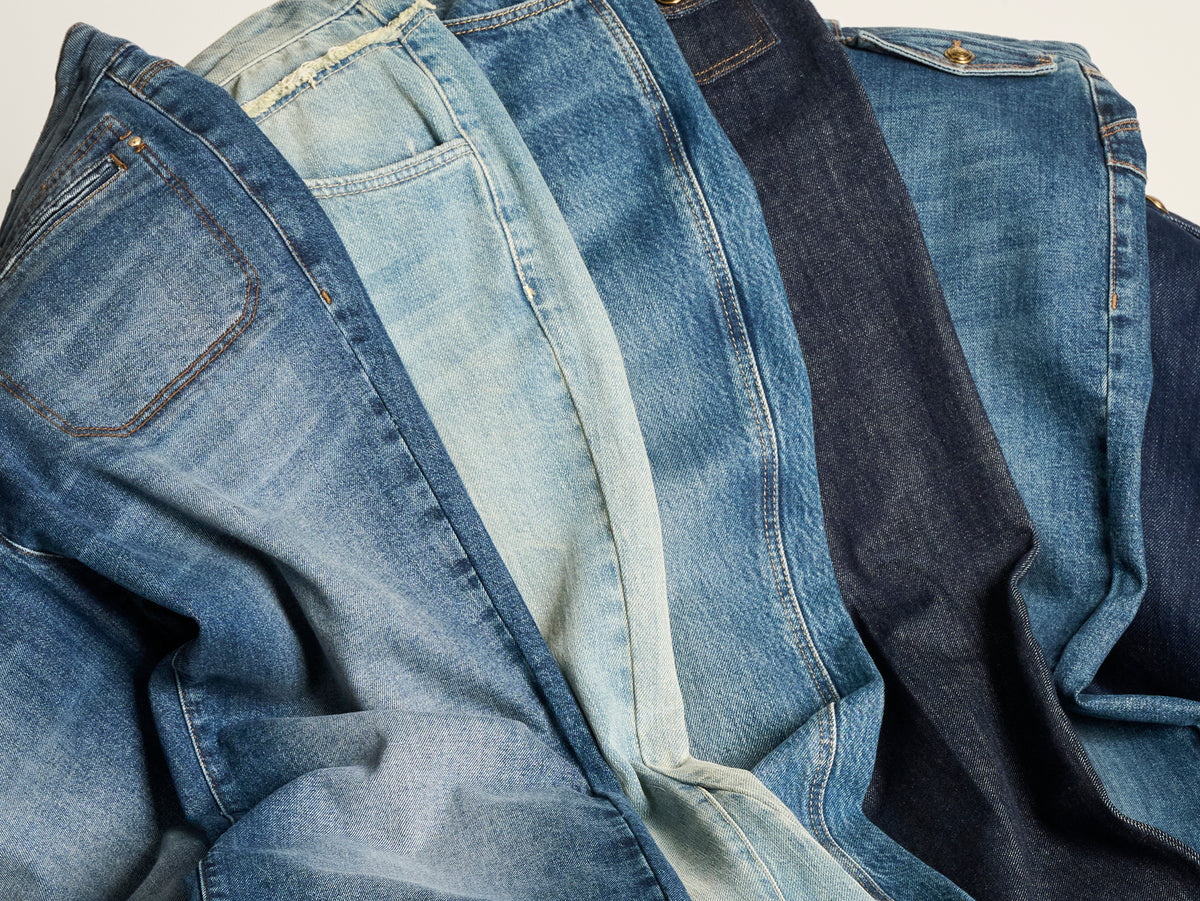
Denim develops its distinctive look over time. Subtle color gradients and signs of wear make every pair of jeans unique.
Proper Denim Care
- Refreshing: Gently remove small stains with a damp cloth and a little mild detergent. In between washes, simply air them out thoroughly.
- Washing: Turn jeans inside out and wash at a maximum of 30 °C or on the gentle cycle with a mild detergent for delicates or colored fabrics. Wash dark jeans with similar colors.
- Drying: After washing, reshape the jeans and let them air dry.
- Raw Denim: Untreated denim may initially bleed onto light-colored clothing, shoes, or furniture.
Important: Always follow the care instructions on the garment’s label first.
LEATHER
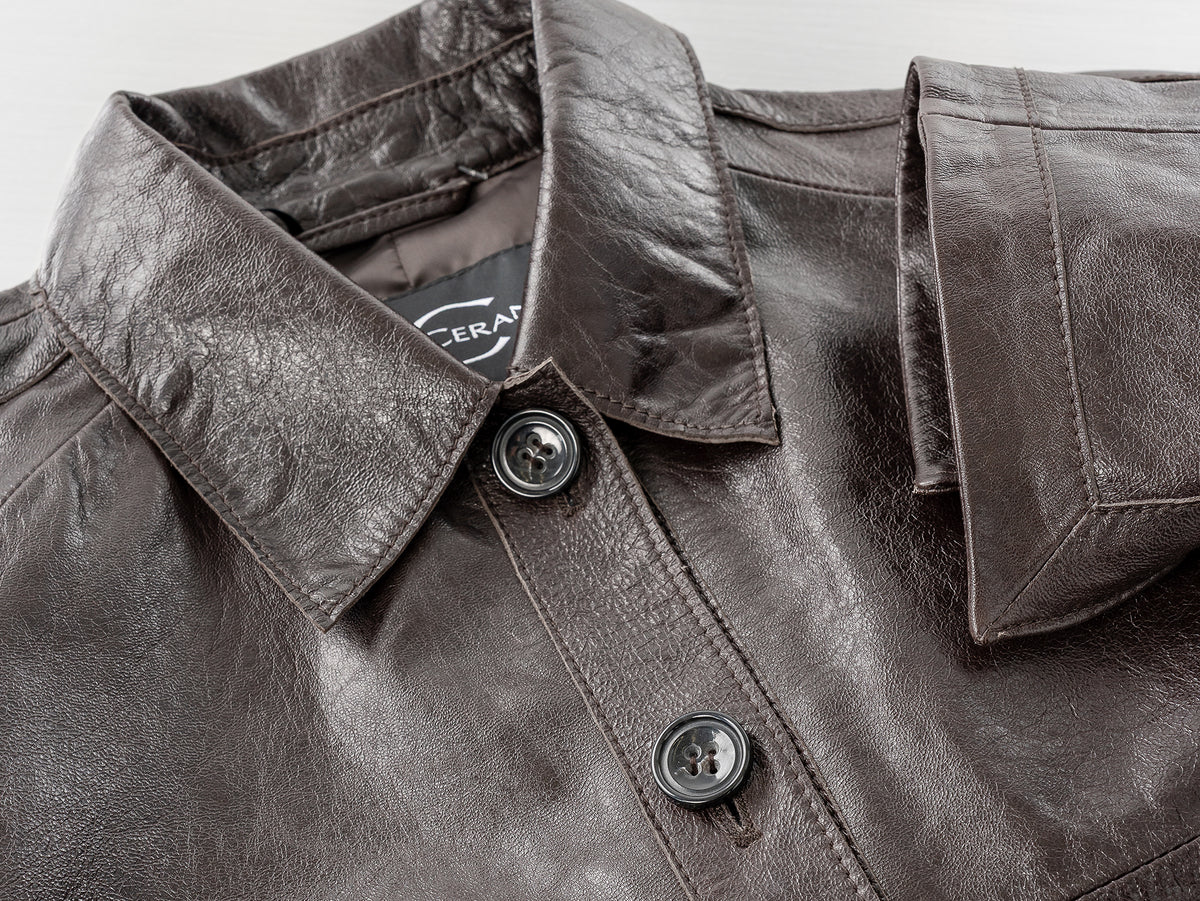
Leather softens over time and develops its own unique patina. Subtle signs of wear make each piece one-of-a-kind.
Proper Leather Care
- Cleaning: Remove dust with a soft cloth or a gentle brush. Gently blot fresh stains.
- Conditioning: A suitable leather conditioner keeps the surface supple. Always test on an inconspicuous area first and apply sparingly.
- Storage: Store leather clothing on a sturdy hanger in a dry place away from direct light. A breathable garment bag protects against dust.
- Professional Cleaning: Stubborn stains and thorough cleaning should be handled by a professional leather cleaner.
Important: Always follow the care instructions on the garment’s label first.
FAQs
That depends on the material and how the garment has been worn. Wool, cashmere, and denim can often be worn several times before they need to be washed. In between, airing them out thoroughly is often sufficient. Clothing that comes into direct contact with the skin is washed more frequently.
Pilling is caused by friction. As a result, fine fibers come loose from the yarn and form small bobbles on the surface. They can be carefully removed with a cashmere or wool comb.
Fresh stains should first be blotted with a clean, slightly damp cloth. Depending on the material, a small amount of delicate- or wool-specific detergent may help. Do not rub vigorously, and test the cleaning agent on an inconspicuous area first.
Knitwear and cashmere should be folded and stored flat. Silk should be protected from direct light. Leather retains its shape on a sturdy hanger. The storage area should be dry and well-ventilated.
Highly delicate materials, intricate finishes, and stubborn stains are best handled by a professional cleaning service. This is especially true for fine silk and leather.